FABRICATION ENTERPRISES 50-1361 Wheelchair Cushion Remov 819185006406
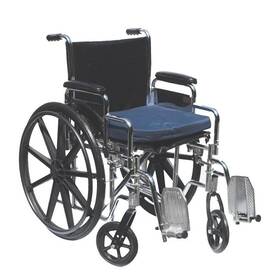
( Brand: Fabrication Enterprises ), ( Manufacturer Part Number: 50-1361 ), ( Color: Navy ), ( Type: Walking Aids ), ( UPC: 819185006406 )
Review FABRICATION ENTERPRISES Inch Wheelchair Cushion Remov
**Fabrication Enterprises 50-1361-16-20 Wheelchair Cushion Removal Tool**
The **Fabrication Enterprises 50-1361-16-20 Wheelchair Cushion Removal Tool** is a precision-engineered, high-quality accessory designed specifically for healthcare professionals, caregivers, and mobility aid technicians who require efficient and safe removal of wheelchair cushions without causing damage to the cushion material or the wheelchair frame. This tool is crafted from durable, corrosion-resistant materials, ensuring long-term reliability in clinical, home care, or institutional settings where hygiene and functionality are paramount. Its ergonomic design features a sturdy, angled handle with a non-slip grip, allowing for comfortable and controlled manipulation during use. The tool s specialized blade or prong mechanism is strategically shaped to securely engage the cushion s locking mechanism or straps, enabling quick and effortless detachment without the need for excessive force. This minimizes the risk of accidental slippage or injury, making it ideal for use with a variety of cushion types, including foam, gel, and air-filled models. The compact yet robust construction ensures portability, allowing it to be easily stored in medical kits, mobility aid carts, or clinical storage compartments. Whether used in hospitals, rehabilitation centers, or home health environments, this tool enhances efficiency by streamlining the process of cushion replacement, cleaning, or maintenance, ultimately contributing to better patient care and operational workflow. Its thoughtful engineering reflects a commitment to both practicality and user safety, making it an indispensable asset for anyone involved in wheelchair mobility support.
### **Pros and Cons of Purchasing Fabrication Enterprises (Part Number: 50-1361-16-20 Wheelchair Cushion Removable)**
#### **Pros**
1. **Market Demand and Niche Opportunity**
Wheelchair cushions are essential for medical, mobility, and home care sectors, ensuring consistent demand. The removable design (as indicated by the part number) caters to users who require easy cleaning or replacement, a growing preference in healthcare and accessibility markets. This specialization can help differentiate the business from competitors offering generic products.
2. **Scalability and Customization Potential**
Fabrication enterprises that produce medical-grade cushions can expand into custom designs, materials, or sizes to meet specific client needs (e.g., pressure-relief cushions for diabetic patients or ergonomic cushions for long-term use). This flexibility allows for upselling and long-term contracts with hospitals, rehabilitation centers, or private buyers.
3. **Regulatory and Certification Advantages**
Medical devices, including wheelchair cushions, often require compliance with standards such as ISO 13485, FDA regulations (if exporting to the U.S.), or CE marking for the EU. If the current enterprise already holds these certifications, purchasing it avoids the time and cost of obtaining them from scratch. Additionally, established compliance reduces legal risks and accelerates market entry.
4. **Existing Supplier and Distribution Networks**
The business may already have relationships with raw material suppliers (e.g., high-density foam, gel, or antimicrobial fabrics), manufacturers of supporting components (e.g., straps, bases), or distributors in the medical supply chain. Leveraging these connections can lower procurement costs and streamline logistics, particularly if the enterprise operates in a region with established medical manufacturing hubs.
5. **Intellectual Property or Proprietary Technology**
The removable cushion design might incorporate unique features (e.g., modular attachments, antimicrobial coatings, or ergonomic contours) that are proprietary to the enterprise. Owning such IP provides a competitive edge, as competitors would struggle to replicate the product without significant R&D investment.
6. **Government and Institutional Contracts**
Fabrication enterprises in this sector often secure contracts with government healthcare programs, veterans services, or public hospitals. These contracts can provide stable revenue streams and long-term partnerships. If the business has existing relationships with such entities, purchasing it grants immediate access to these opportunities.
7. **Lower Entry Barriers Compared to New Ventures**
Starting a new fabrication business from scratch involves high upfront costs for machinery, certification, and market penetration. Acquiring an existing enterprise eliminates these barriers, allowing the buyer to focus on scaling production, marketing, and customer acquisition rather than foundational setup.
8. **Potential for Vertical Integration**
The enterprise may already produce other medical or mobility-related products (e.g., seat belts, headrests, or mattresses). Purchasing it could enable vertical integration, reducing dependency on third-party suppliers and increasing profitability through in-house manufacturing.
---
#### **Cons**
1. **High Acquisition Costs**
Fabrication enterprises, especially those with established certifications and customer bases, often come with significant valuation multiples. The purchase price may include goodwill, intellectual property, or brand equity that could take years to justify through returns. Buyers must carefully assess whether the price aligns with the enterprise s revenue potential and growth prospects.
2. **Dependence on a Niche Market**
While the demand for wheelchair cushions is steady, it is a specialized segment. Economic downturns, shifts in healthcare policies (e.g., reduced government funding for disability services), or changes in medical trends (e.g., preference for alternative mobility solutions) could impact sales. Diversification into broader medical products may be necessary to mitigate risk.
3. **Regulatory and Compliance Burdens**
Medical device fabrication is heavily regulated. The enterprise may already comply with standards, but ongoing audits, recalls, or changes in regulations (e.g., stricter safety or material restrictions) could impose additional costs or operational disruptions. Buyers must ensure they have the resources to maintain compliance without compromising profitability.
4. **Technological Obsolescence**
The fabrication process for wheelchair cushions may rely on outdated machinery or materials. Upgrading to modern, energy-efficient, or higher-quality equipment could require substantial capital investment. Failure to innovate could lead to higher production costs or inferior product quality compared to competitors.
5. **Customer Concentration Risks**
If the enterprise s revenue is heavily dependent on a few large clients (e.g., a single hospital chain or government contract), losing one key account could severely impact cash flow. Buyers should conduct due diligence to assess client diversification and the likelihood of contract renewals.
6. **Supply Chain Vulnerabilities**
Medical-grade materials (e.g., antimicrobial fabrics, memory foam) may face supply chain disruptions due to global shortages, geopolitical issues, or inflation. The enterprise s ability to secure consistent raw material supplies at competitive prices could be a critical factor in its long-term viability.
7. **Workforce and Operational Challenges**
The enterprise may have a skilled but aging workforce or rely on specific employees with proprietary knowledge of production processes. High turnover or retirement could disrupt operations. Additionally, if the business operates in a labor-intensive sector, rising wages or labor shortages could increase costs.
8. **Competitive Pressure**
The medical mobility market includes established players (e.g., Invacare, Drive Medical) and emerging competitors offering similar or more advanced products (e.g., smart cushions with pressure sensors). Differentiating the acquired enterprise s products may require significant marketing or R&D investment to stay ahead.
9. **Hidden Liabilities**
During due diligence, buyers should investigate potential liabilities such as pending lawsuits (e.g., product liability claims), environmental violations, or unpaid taxes. These issues could lead to unexpected legal or financial burdens post-acquisition.
10. **Integration Complexities**
If the buyer plans to expand the enterprise s product line or merge it with other businesses, integration challenges (e.g., clashing management styles, IT systems, or supply chains) could arise. Poor integration may lead to operational inefficiencies or lost revenue during the transition period.
---
### **Conclusion**
Purchasing a fabrication enterprise specializing in removable wheelchair cushions presents a strategic opportunity to enter a stable, high-demand niche with existing infrastructure, certifications, and customer relationships. The acquisition can accelerate market entry, reduce risks associated with new ventures, and leverage proprietary technology or contracts. However, the costs both financial and operational can be substantial, particularly if the enterprise relies on niche markets, complex regulations, or concentrated client bases. Success hinges on thorough due diligence to assess financial health, regulatory compliance, supply chain resilience, and competitive positioning.
### **Recommendation**
For buyers with access to capital and a long-term vision, acquiring this enterprise is a viable strategy if:- The purchase price is justified by the enterprise s revenue growth, contract stability, and IP value.
- The buyer can secure additional funding for potential upgrades (e.g., machinery, R&D) to stay competitive.
- The market analysis confirms demand for removable or customizable cushions in the target region.
- The buyer is prepared to navigate regulatory hurdles and integrate the enterprise smoothly with any existing operations.
**Key Steps Before Acquisition:**1. **Financial Due Diligence:** Verify revenue trends, profit margins, and debt levels over the past 3 5 years. Ensure the enterprise s cash flow supports its obligations.
2. **Regulatory and Legal Review:** Confirm all certifications (e.g., ISO, FDA, CE) are current and that there are no pending legal issues.
3. **Supply Chain Audit:** Assess supplier reliability and contract terms to avoid future disruptions.
4. **Customer and Contract Analysis:** Evaluate client concentration and contract renewal rates to gauge revenue stability.
5. **Operational Assessment:** Identify operational bottlenecks (e.g., outdated equipment, high labor costs) and estimate the cost of improvements.
6. **Competitive Benchmarking:** Compare the enterprise s products, pricing, and market share with competitors to identify gaps or opportunities.
If these factors align favorably, the acquisition can be a sound investment. However, buyers should consider alternative strategies such as partnering with the enterprise, investing in a smaller niche player, or launching a new venture with a phased approach if the risks outweigh the benefits.
Details:
Fabrication Enterprises 50-1361 16 x 20 2 in. Enclosed in a heat-sealed heavy gauge vinyl cover the gel can only be activated and become soft by adding water. Dimension: 16 x 20 Specifications.
The wheelchair cushion with removable cover is a pressure aid made of 100% gel. This cushion measures 16 x 20 2 and is navy in color. The gel is used to displace pressure help prevent cubits problems.
specifications mobilityequipget:
- brand: Fabrication Enterprises
- mpn: 50-1361
- color: Navy
- type: Walking Aids
- upc: 819185006406
offer mobilityequipget:
- sold: 0
- started: February 10, 2026
- quantity: 3
- availability: In Stock
- options: Ship-to-home
payments mobilityequipget:
- other
- credit card: Discover
- wallet: Apple-pay
seller mobilityequipget:
- # reviews: 220721
- city: Lakewood, New Jersey
- rating: 98.5%
returns mobilityequipget:
- time: 30 Days
- policy: Returns Accepted
- method: Money back
- paid by: Buyer
general mobilityequipget:
- condition: New
- Medical Mobility > Mobility/Walking Equipment > Other Mobility Equipment
shipping mobilityequipget:
- carrier: UPS
- service: UPS Ground
- class: Standard
- transit: 8-14 Days
- type: Fixed
- cost: $0.00
Fabrication Enterprises 50-1361 Is Similar To:
- 31-3835 Fabrication Enterprises First Class School Chair Footrest Only 714905037282 (45.3% similar) Footrest only - small. Accessories for school chair...(June 14th, 2018)
- 31-3836 Fabrication Enterprises First Class School Chair Hip Guides 714905037381 (48.7% similar) Hip guides only - one size. Accessories for school chair...(June 14th, 2018)
- 31-3837 Fabrication Enterprises First Class School Chair Supports Only 714905037343 (47.8% similar) Anti-tip supports only - small. Accessories for school chair...(June 14th, 2018)
- 31-3838 Fabrication Enterprises First Class School Chair Extension Legs 714905037367 (50% similar) Extension legs only - one size. Accessories for school chair...(June 14th, 2018)
- 43-2100 Fabrication Enterprises Adult Folding (46.3% similar) Fabrication Enterprises adult folding 2-BUTTON walker 1 each maintaining our fitness makes us even more confident happy and helps to leads a healthy life. We encourage wellness by making available a diverse range of physical therapy and occupational products. Features Oct 30 - after Halloween...(June 14th, 2017)
- 43-2402 Fabrication Enterprises Bath Bench 822383108902 (44.3% similar) Weight capacity lb. Aluminum, bath bench without back. Easy snap together assembly, seat and legs. Drainage holes in bench reduce slipping. Bath bench W/O back, JD, 1 ea deluxe, 50 inches stuff ships fast overseas dont like it. Send that back. Aluminum frame is lightweight, durable and corrosion ...(January 20th, 2018)
- 432050 Fabrication Enterprises Tech Med (48.7% similar) Lightly used for a few months and are in perfect working condition. Tech med services adjustable aluminum crutches patient height 5' 2 - 10, model 68 serial no. J14113439 these crutches are made from a lightweight aluminum with comfortable underarm pads and foam hand-grips to aid in ambulation for...(December 3rd, 2017)
- 452380 Fabrication Enterprises Round Body 637390885193 (40% similar) ...(November 22nd, 2017)
- 452381 Fabrication Enterprises Fabric Ent 637390885216 (41.5% similar) ...(November 22nd, 2017)
- 50-5121l Fabrication Enterprises Padded Transfer 065292191416 (39.4% similar) FAB50-5121L mfr 50-5121L...(August 27th, 2017)
- 501100 Fabrication Enterprises Reacher Pistol Grip Ea Sold Per 0637390885445 (35.5% similar) ...(December 20th, 2018)